Your newborn is squirming, grunting, and turning red, and you just want to make it better. Watching your little one struggle with gas can leave you feeling helpless. You’re not alone. Almost every baby deals with gas in the first few months.
The good news is that you can do a lot to help. This guide covers how to relieve gas in newborns with burping positions, gentle movement, and feeding tips. You’ll also learn how gas differs from colic and when to call your provider.
Why Is My Newborn So Gassy?
Most newborn gas comes from two sources:
- Swallowed air: Babies swallow air while they feed and cry. Gulping milk, a shallow latch, or a fast bottle nipple can add more.
- A brand-new digestive system: Your baby’s gut is still learning to break down milk and move gas along.
Gas and crying can feed each other. A gassy baby cries and crying means swallowing more air.
Signs Your Baby Has Gas Pain
Your baby can’t tell you their tummy hurts, but you might notice them:
- Fussing or seeming restless
- Squirming, arching, or pulling their legs toward their belly
- Scrunching up their face or turning red while straining
- Having a full or gurgling belly
- Burping, spitting up, or passing gas often
Gas is usually worst in the first few weeks and improves by around three months. If your baby is eating well, gaining weight, and having normal diapers, some fussiness is normal.
How to Relieve Gas in Newborns at Home
You can’t prevent all gas, but these steps can help your baby feel more comfortable.
Feed Early and Upright
- Feed your baby at the first signs of hunger: Watch for rooting or sucking on hands. A baby who is crying hard from hunger tends to gulp air.
- Keep things upright: Hold your baby so their head is higher than their tummy during feeds.
Try These Burping Positions
Burp your baby during and after feeds, such as when sucking slows or they pull away. If a burp won’t come, switch positions or wait a few minutes.
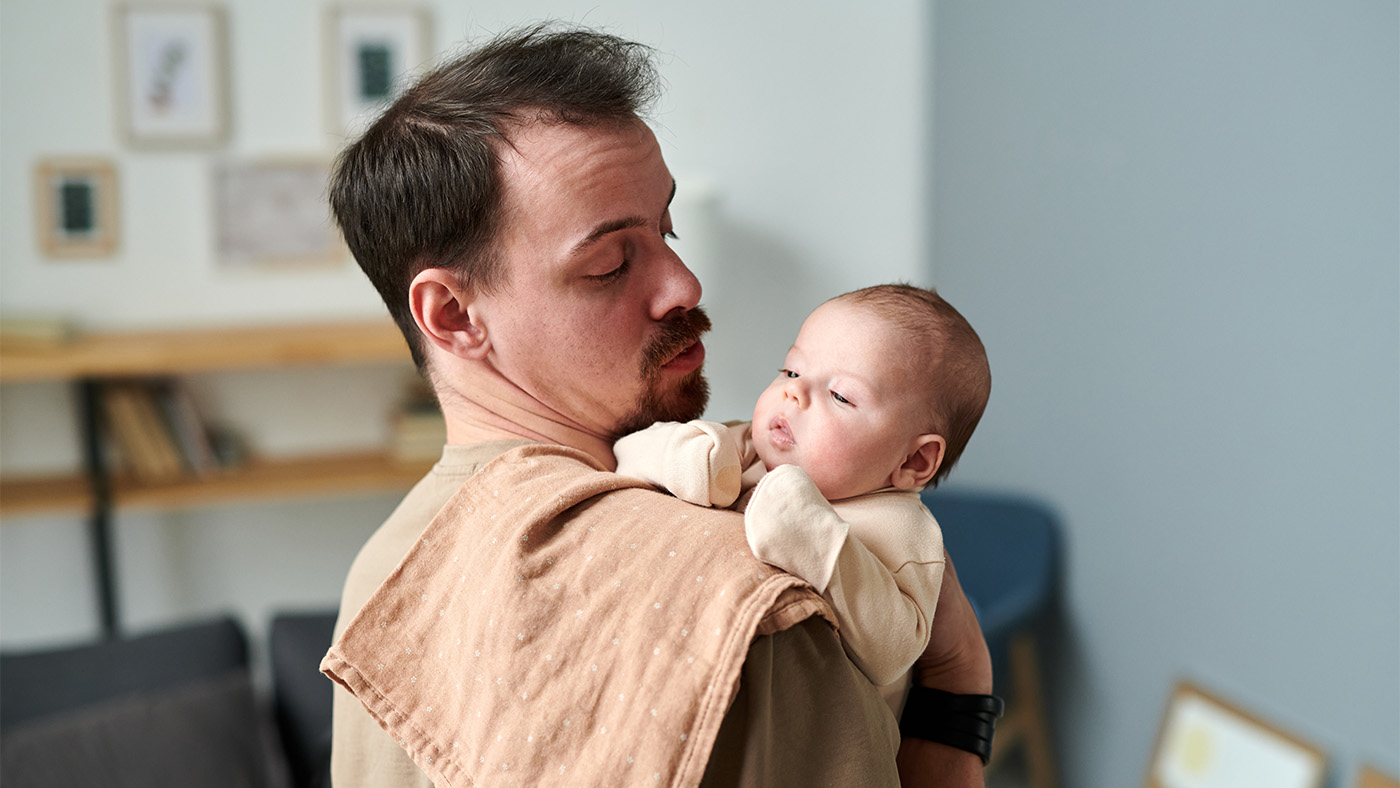
- Over the shoulder: Hold your baby upright with their chin on your shoulder. Gently pat or rub their back.
- Sitting on your lap: Support your baby’s chest and chin with one hand, keeping fingers off the throat. Pat their back with the other.
- Face down across your lap: Lay your baby on their tummy across your legs, head slightly higher than chest. Gently pat or rub their back.
Some parents find patting the middle of the back works better than patting between the shoulder blades.
I do the “Grandma Maxine Shuffle” we call it in our family because our grandma would do it to us, and now we do it with our babies! Basically, swaddle infant well, place baby over your shoulder with a firm handheld steady over baby’s back and pace the room while doing a little bounce on your toes and rocking side to side. Basically, the gentle motion and the firm hand will wiggle the burps right out!
Use Gentle Movement and Massage
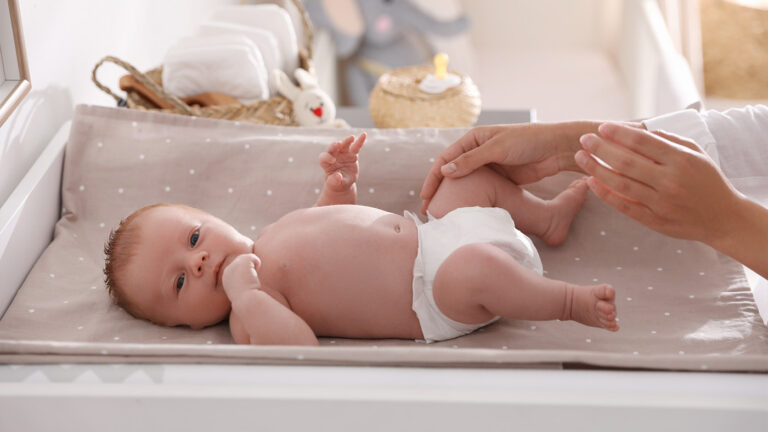
- Bicycle legs: With your baby on their back, slowly and gently move their legs in a pedaling motion. Stop if your baby seems upset.
- Tummy time: Place your baby on their tummy for a few minutes while they’re awake and you’re watching. The gentle pressure may help move gas. Always put your baby on their back to sleep.
- Tummy massage: Rub your baby’s belly in slow clockwise circles. You can also try the “I Love You” massage: trace an I, an upside-down L, and an upside-down U across the belly. This follows the path of the intestines.
Check Your Feeding Setup
- Bottle-feeding: Try a slower flow nipple and keep the nipple full of milk.
- Powdered formula: Shaking creates bubbles. Let the bottle settle before feeding.
- Breastfeeding: Try different holds and check for a deep latch.
Our IBCLC lactation consultants (board-certified breastfeeding specialists) can help with latch and feeding questions. Just ask your provider.
Do Gas Drops or Gripe Water Help?
When nothing calms your baby, it’s natural to look for something more. Talk with your provider before giving your baby any remedy, including over-the-counter products.
Gas Drops
Gas drops (like Mylicon, Little Remedies, or Mommy’s Bliss) contain simethicone, which helps small gas bubbles join into larger ones that may be easier to pass. They’re generally considered safe when used as directed. But research hasn’t clearly shown that they ease gas pain or crying.
Gripe Water
Gripe water is sold as a dietary supplement, so the FDA doesn’t review it the way it reviews medicines. Ingredients vary and may include fennel, ginger, or baking soda. There isn’t good evidence that it relieves gas.
How to Prevent Gas in Newborns
The best prevention is less swallowed air: feed early, feed upright, burp often, and check your bottle or latch. Babies need only breast milk or formula, with no water, for about the first six months. When solids start, offering one new food at a time helps you spot anything that bothers their tummy.
Newborn Gas vs. Colic: What’s the Difference?
Colic is crying that’s hard to soothe in an otherwise healthy baby. Providers often use the “rule of threes”: crying more than three hours a day, more than three days a week, for three weeks or longer. It often peaks around six weeks and improves by three to four months.
No one knows exactly what causes colic. Babies with colic swallow air while crying, so gas may be a result of the crying rather than the cause.
| Gas | Colic |
What it looks like | Short bouts of fussing and straining | Long, intense crying spells |
Timing | During or after feeds | Often late afternoon or evening |
What helps | Burping, movement, massage | Rocking, swaddling, white noise, and time |
When it improves | Around three months | Three to four months |
Don’t be ashamed to ask for help if you need a break! A baby who cries a lot is hard on anyone. If you feel overwhelmed, place your baby safely on their back in the crib and take a few minutes to breathe. Never shake a baby.
When to Call Your Provider About Baby Gas
Most gas just needs cuddles and a good burp. But some symptoms need attention.
Call right away or seek emergency care if your baby:
- Is younger than three months with a rectal temperature of 100.4°F (38°C) or higher
- Has trouble breathing
- Has green vomit
- Has a swollen, hard belly
- Has blood in their stool
- Shows signs of dehydration, like fewer wet diapers, a dry mouth, or a sunken soft spot
- Is very sleepy or hard to wake
Call your provider soon if your baby:
- Has gas pain that disrupts eating or sleeping
- Spits up forcefully or vomits often
- Isn’t gaining weight
- Has a rash, which can signal a food allergy
- Can’t be calmed or seems in pain when held
You know your baby best. If something feels off, call. We are always happy to check out your baby rather than have you stay home and stew about concerns!
Get Help from Wee Care Pediatrics
Newborn gas is tiring, but it does get better. If you have questions about gas, feeding, or crying, contact your provider at Wee Care Pediatrics. We offer same-day sick visits, and one location is open until 10:00 pm every night. Our IBCLC lactation consultants are here too, so you can get feeding support under one roof.
Sources
Children’s Hospital of Philadelphia, How to Help Newborn Gas
Children’s Health, How to Help Newborns With Gas
HealthyChildren.org (AAP), Breaking Up Gas
AAP Patient Education, Gassy Baby (Normal)
Cleveland Clinic, How to Relieve Baby Gas