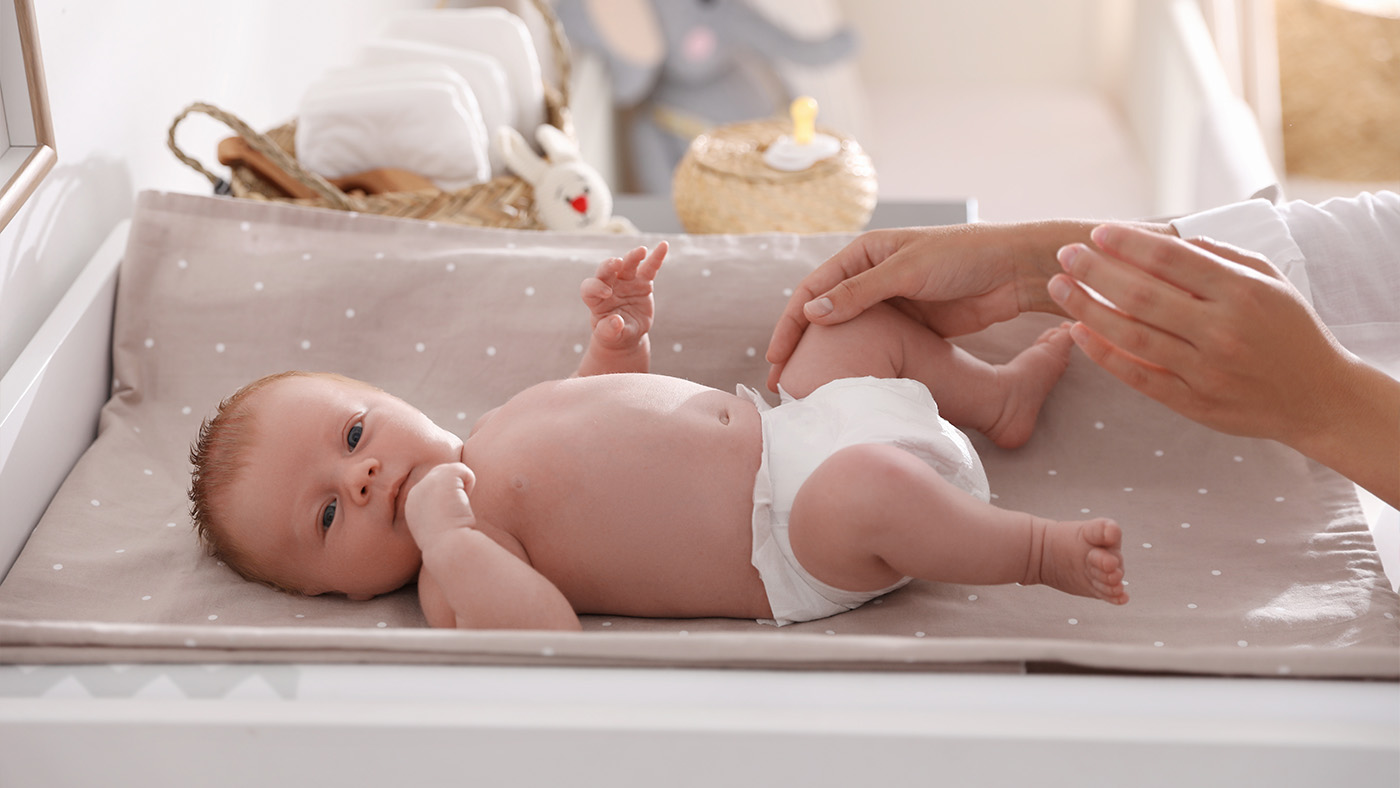
If your baby’s bottom is red, tender, and fussy at every diaper change, you’re dealing with one of the most common frustrations of the early months. Diaper rash in infants affects at least half of all babies at some point, and the good news is that it’s rarely serious and usually clears up with simple at-home care.
Here’s what causes diaper rash, which remedies actually help, and when it’s worth a call to your provider.
Common Causes of Diaper Rash in Babies
Diaper rash is incredibly common. It shows up as itchy, tender skin in your baby’s diaper area and is a frequent source of newborn fussiness, especially during diaper changes.
Irritation and Moisture Buildup
The most common cause is extended contact with a soiled diaper. The diaper area is especially prone to irritation and infection because it’s dark, warm, and moist. One way to tell what’s driving your baby’s rash is to look at the groin folds. Ordinary diaper rash tends to spare the groin folds, while a yeast infection often shows up there as shiny, bright red or pink patches with sharp edges. A bacterial infection, known as impetigo, can cause bright red skin around the anus, yellow crusting, weeping, or small pimples.
Acidic Diaper Rash
Recent changes to your baby’s diet, or to a nursing parent’s diet, particularly more acidic foods like citrus, strawberries, pineapple, or tomatoes, can increase skin contact with acidic stool and lead to what’s known as acidic diaper rash.
Can formula cause diaper rash?
Not directly, but any change in diet can change the consistency of your baby’s stool. Formula-fed babies sometimes have looser stools, which increases skin contact and can lead to more frequent or more severe diaper rash.
Can food allergies cause diaper rash?
They can. It’s a good idea to introduce new foods one at a time so you can watch for reactions. Breastfed babies can also develop a rash in response to something a nursing parent has eaten.
Allergic Reaction to Diapers
Sometimes called diaper dermatitis, allergic reactions to fragrances, dyes, lotions, or other materials in diapers can also cause rash. If you suspect this is happening, try switching to a diaper that’s free of additives.
Best Diaper Rash Cream and Treatment Options
If your baby gets diaper rash often, a barrier cream, paste, or ointment like petroleum jelly or zinc oxide cream can help protect the skin and speed healing.
How to Choose a Diaper Rash Cream
Diaper rash cream works by moisturizing and protecting skin from irritants, typically with ingredients like waxes, butters, and plant oils. Zinc oxide is a commonly recommended active ingredient, but look for a non-nanomaterial (often labeled non-nano) version to avoid potential complications. Otherwise, ingredients like mineral oil, petrolatum, and paraffin are solid options.
Coconut Oil as Diaper Rash Cream
Some parents like coconut oil as a readily available alternative. Anecdotal reports suggest it may relieve redness and irritation, but the research is mixed, and studies haven’t shown it to be a reliably effective treatment.
Bag Balm and Diaper Rash
Bag Balm, originally developed to soothe irritated cow udders, has been used for over a century for a range of skin irritations in humans, including diaper rash. It contains the antiseptic 8-hydroxyquinoline in a base of petroleum jelly and lanolin. Many parents find it effective, and the petroleum jelly base does make it a reasonable barrier cream.
Can you use Neosporin on babies?
Neosporin is a topical antibiotic meant for minor wounds, not large areas of skin. The manufacturer specifically advises against using it on a baby’s diaper area, especially if the skin is broken or raw.
Does breast milk help with diaper rash?
The evidence is mixed. One study of 141 infants found that breast milk worked about as well as 1% hydrocortisone ointment for diaper rash. Another study found a zinc oxide and cod liver oil cream to be more effective than breast milk. It likely won’t hurt to try, but results vary.
Can you put Vaseline on a diaper rash?
Yes. Petroleum jelly, including Vaseline, is an effective barrier ointment for diaper rash.
Baking Soda Bath for Diaper Rash
Adding baking soda to bath water is a commonly mentioned home remedy, but the Mayo Clinic recommends avoiding it, along with boric acid, camphor, phenol, benzocaine, diphenhydramine, and salicylates, since these ingredients carry potential toxicity risks for babies. Baking soda baths are not recommended.
Home Remedies for Diaper Rash That Work
The good news is that diaper rash usually responds well to simple at-home care. Change diapers frequently to limit exposure to urine and stool, gently wash the skin, and pat or air-dry before putting on a fresh diaper or clothes. Finish with a barrier cream to protect the skin. For most babies, that’s enough to clear things up.
How to Prevent Diaper Rash
Frequent diaper changes and a diaper with absorbent gel that pulls moisture away are your best prevention tools. Rinse or wash your baby’s bottom with water at each change, and pat the skin dry (or let it air-dry) before a fresh diaper goes on.
Wash your hands before and after diaper changes to avoid spreading yeast or bacteria elsewhere on your baby’s body. Keep the diaper snug but not tight, since a little airflow helps keep things dry, and let your baby go without a diaper for a bit when you can. Fresh air helps reduce both the risk and severity of diaper rash.
When to Worry About Diaper Rash
Most diaper rash clears up with at-home treatment. If it doesn’t improve after a few days, it’s worth reaching out to your provider.
Signs It’s Not Getting Better
With treatment, diaper rash should fade and go away, though it may return occasionally. It shouldn’t become a chronic problem. If the rash persists, spreads, or comes with other symptoms, contact your provider.
When Diaper Rash Could Be Something More Serious
Some forms of diaper rash need prescription treatment. Call your provider if your baby’s diaper rash comes with:
- Fever
- An unusually severe rash
- Symptoms that persist or worsen
- Bleeding
- Severe itching
- Oozing
- Crying from burning or pain during urination or bowel movements
Diaper rash is common, and most cases clear up with the steps above. But if it isn’t improving or your baby seems uncomfortable, reach out to your provider at Wee Care Pediatrics. Same-day sick visits are available, and one of our locations is open until midnight every night, so help is close by when you need it.
Sources:
Mayo Clinic, Diaper rash symptoms and causes
Healthychildren.org, Common Diaper Rashes & Treatments
Mayo Clinic, Diaper rash diagnosis and treatment
Cleveland Clinic, Are Food Allergies Causing Your Baby’s Diaper Rash?
Parents, Uncover 4 Foods That Could Be Causing Your Baby’s Diaper Rash
Johns Hopkins Medicine, Diaper Dermatitis
Consumer Reports, How to Choose a Diaper Rash Cream Without Harmful Chemicals