Toddler potty training is one of those milestones that feels exciting and overwhelming at the same time. You might be wondering if your child is ready, where to start, or whether you’ve already waited too long. Take a breath: you’re not alone, and there’s no single “right” age or method that works for every child.
The good news is that potty training is mostly about timing and readiness, not pressure. When you know the signs to look for and have a plan in place, the process goes a lot more smoothly for everyone. Here’s what you need to know.
Signs Your Toddler Is Ready to Potty Train
Every child develops at their own pace. Rather than targeting a specific age, look for these readiness cues:
- Shows interest in the bathroom or watches others use the toilet
- Tells you when their diaper is wet or dirty
- Stays dry for two or more hours at a stretch
- Can walk to the bathroom and sit down on the toilet
- Understands and follows simple instructions
- Can remove their own clothing
- Seems curious or excited when you mention the potty
Most children reach this point somewhere between 18 months and three years. If your toddler is resisting the idea entirely, wait a few weeks and try again. Pushing potty training before your child is ready tends to drag the process out for everyone.
How to Prepare for Potty Training
You can start laying the groundwork well before active training begins, as early as 18 months. The goal is to build familiarity and take the mystery out of the process.
Talk About It
Use simple, neutral words like “pee,” “poop,” and “potty.” Explain that using the bathroom is something everyone does. Avoid words that suggest it’s gross or shameful, since that can create unnecessary anxiety around the whole thing.
Tune In to Physical Cues
Help your toddler connect their body’s signals to what they mean. Teach them to let you know when they need a diaper change. Pointing out when they’re crossing their legs, squirming, or pulling at their clothes helps them start recognizing those cues themselves.
Practice the Routine
Around 21 months, try walking through the steps together: heading to the bathroom, pulling down their pants, and sitting on the potty, even if nothing happens. You can also point out toilets in public places to help your child understand that bathrooms exist everywhere.
Get a Potty Chair
Let your child help choose their potty chair if they’re interested. Putting their name on it or letting them decorate it with stickers can give them a sense of ownership and make them more comfortable with it.
Model the Behavior
Kids learn a lot by watching. You don’t need to make a performance of it but letting your child see that using the toilet is a normal, everyday activity goes a long way. Some children love to “teach” a stuffed animal or doll the steps alongside them.
Potty Training Tips and Tricks
Once your child is comfortable with the potty, can walk to it, remove their own clothing, and sit down on their own, you’re ready to begin. Different potty-training methods work for different families. Some parents prefer a gradual approach; others like the intensive three-day method. Whatever you choose, consistency is the key ingredient.
Pick Your Timing Carefully
Avoid starting potty training during a big transition like the arrival of a new sibling, a move, or a change in childcare. Stability makes a real difference. When you’re ready to start, plan to stay consistent, since it can take three months or more to fully establish the habit.
Let Your Child Drive
You can encourage and support, but your child needs to feel like they have some control over the process. Accidents will happen, and that’s expected. Keep your response calm and matter of fact when they do have an accident.
Start Teaching Hygiene Early
Talk with your child about proper wiping technique (front to back) and make handwashing a non-negotiable part of every bathroom trip. Building these habits from the start prevents the spread of germs and builds your child’s independence.
Use Positive Reinforcement
Celebrate progress. Offer plenty of encouragement and recognize each success, no matter how small. Help your child feel proud of their accomplishments by praising their effort and encouraging them to celebrate their own progress. Negative reactions or pressure tend to slow the process down, so keep things positive and supportive, even when progress feels slow.
Transition to Toddler Potty Training Underwear
After a couple of consistent weeks, try switching from diapers to toddler potty training underwear, like pull-ups, during the day. Pull-up potty training underwear helps kids feel the difference while still providing a backup. Once your child can make it through the day without being reminded to go, regular underwear is the next step. If they need to go back to pull-ups for a stretch, that’s okay.
Night Training Takes Longer
Nighttime dryness usually comes well after daytime potty training is established. It’s completely normal for children to need a diaper or pull-up at night even after they’re reliably dry during the day. Most kids stop needing nighttime protection somewhere between ages five and seven, though some take a bit more time.
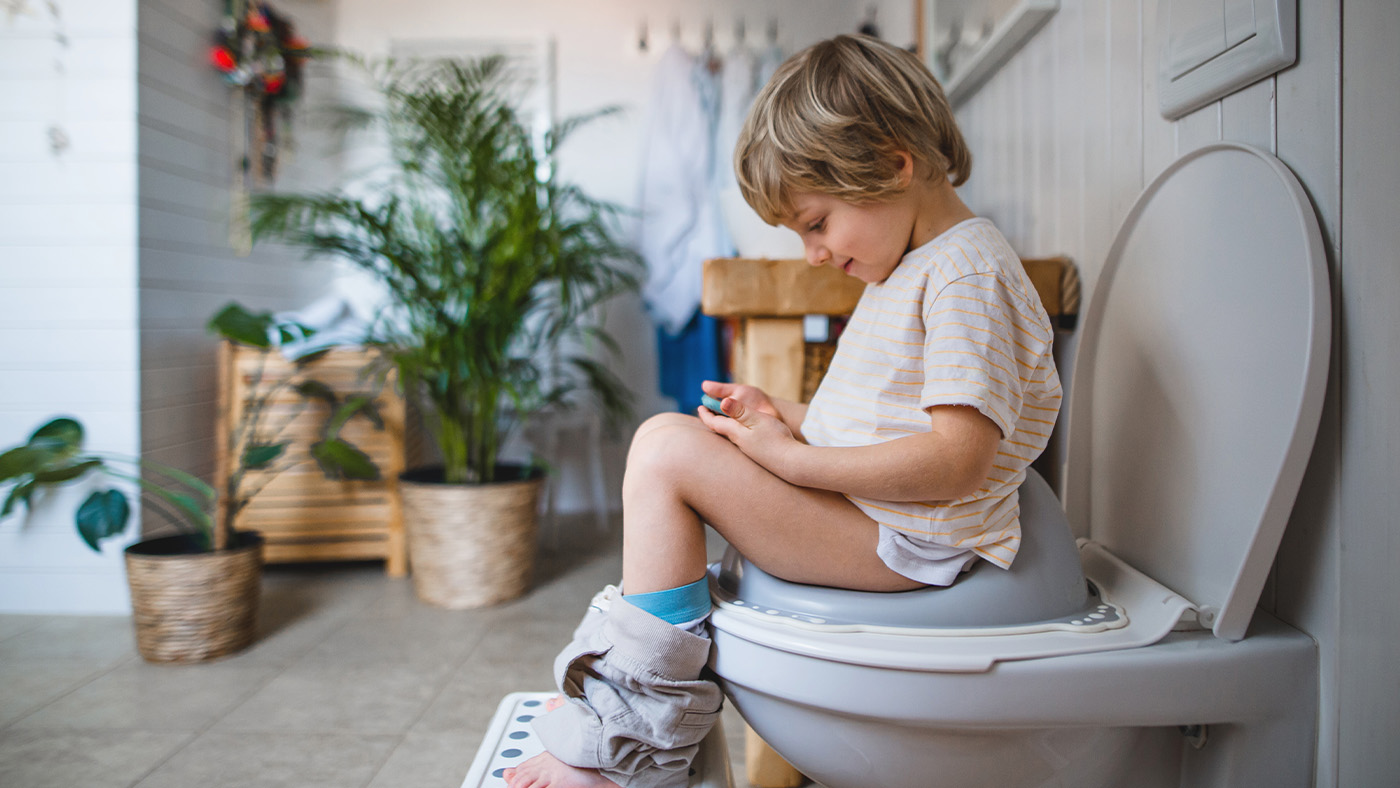
Once your child has daytime training down and is growing, you can also transition from a small potty chair to a regular toilet with a child-size seat insert. Most kids make this switch easily once they’re ready.
When to Talk to Your Provider
Potty training looks different for every child, and there’s a wide range of what’s normal. That said, reach out to your child’s provider if:
- Your child is older than two and a half and shows no interest in potty training
- Your child is older than three and still using diapers consistently during the day
- Your toddler refuses to potty train and shows strong resistance beyond the typical pushback
- You notice signs of pain, discomfort, or significant anxiety around the bathroom
- Something just doesn’t feel right
Your provider is here to help you figure out what’s going on and what to do next. Whether you’re not sure if your child is ready or you’re feeling stuck in the process, the team at Wee Care Pediatrics is here to help. We’re happy to talk through what you’re seeing and offer guidance based on your child specifically. Same-day sick visits are available, and one of our locations is open until midnight every night.
Sources
HealthyChildren.org, Potty Training
Mayo Clinic, Potty training: How to get the job done