Life has a way of pulling your family in a hundred different directions. Between school, work, activities, and everything else on the calendar, exercise tends to be the first thing that gets pushed aside. If that sounds familiar, you’re not alone. The good news is that staying active as a family doesn’t require a gym membership or a structured workout schedule. It can look like a walk around the block, a backyard obstacle course, or a dance party in the living room.
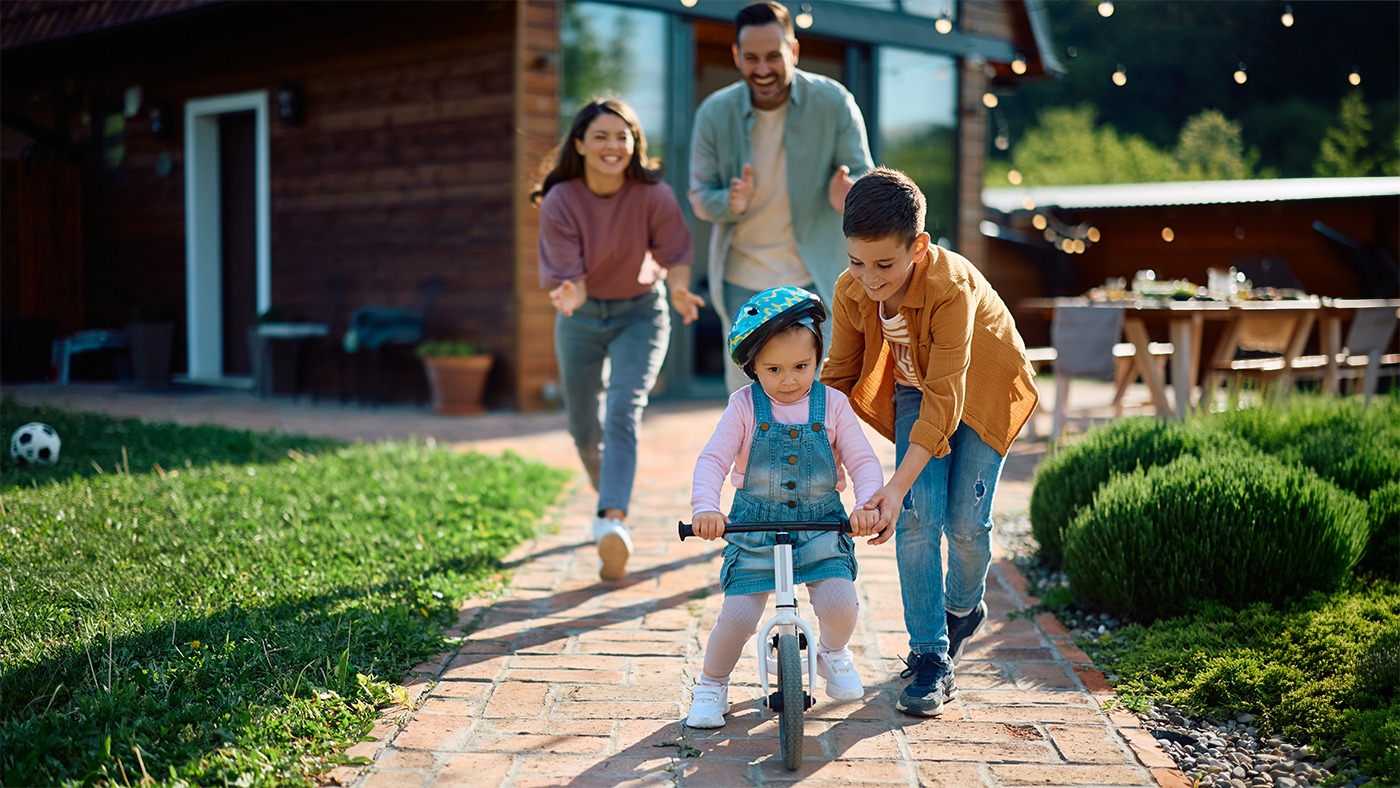
Moving together does double duty. Your family gets the physical and mental health benefits of regular exercise, and you get time with each other. Those shared experiences add up. A race to the end of the block, a hike you weren’t sure you’d finish, a Saturday morning bike ride through the neighborhood. These are the moments kids carry with them. Exercising together builds bonds and builds habits at the same time.
Why Physical Activity Matters for the Whole Family
Exercise is one of the most powerful things you can do for your family’s long-term health. Regular physical activity helps build strong muscles and bones, supports cardiovascular health, improves mood, and reduces the risk of conditions like diabetes, hypertension, and heart disease. When your kids see you prioritizing movement, they’re more likely to do the same.
Beyond the physical benefits, moving together teaches kids teamwork, decision-making, and what it feels like to push through something challenging. Research also shows that regular exercise improves sleep, supports brain development in children, and reduces symptoms of anxiety and depression in both kids and adults. When the whole family moves together, everyone wins.
How Much Exercise Does Your Family Need?
While exercise guidelines vary by age, pretty much everyone over the age of three benefits from regular physical activity. Here’s a simple breakdown:
- Ages 3 to 5: Young children don’t need a set exercise routine. As long as your little one is physically active throughout the day through play and exploration, they’re right on track.
- Ages 6 to 17: Kids in this range should get at least 60 minutes of moderate to vigorous physical activity every day. Most of that should be aerobic, with muscle-strengthening and bone-strengthening activities three days per week.
- Ages 18 and older: Aim for about 75 minutes of vigorous activity per week, or around two and a half hours of moderate activity. Break up long stretches of sitting with movement throughout the day.
The goal isn’t perfection. It’s consistency. A little movement every day beats one intense workout a week.
Fun Ways to Exercise with Kids
The best kind of exercise is the kind your family will actually do. If you dread it, it won’t last. If the kids are resistant, it becomes a battle. Look for activities everyone can enjoy, try a variety of things, and don’t be afraid to let the kids take the lead sometimes.
Simple Family Workouts You Can Do at Home
You don’t need equipment or a lot of space to get the whole family moving. A few ideas to get you started:
- Fitness challenges: Who can do the most jumping jacks? Hold a plank the longest? A little friendly competition goes a long way.
- Dance party: Turn on your family’s favorite playlist and let everyone show off their best moves. Ten to fifteen minutes of dancing is real exercise, and it’s hard not to laugh.
- Obstacle course: Use pillows, chairs, and tape to build a course through the living room. Crawl, hop, and weave your way through.
- Family circuit: Do 30 seconds each of jumping jacks, squats, high knees, marching in place, and wall sits. Repeat two or three times.
- Walk the dog: Dogs make great exercise motivators. No dog at home? Volunteer to walk dogs at a local shelter for built-in movement and puppy time.
Getting Outside Together
Fresh air and a change of scenery do good things for everyone’s mood. Here are a few easy ways to get outside as a family:
- Walk through the neighborhood or on a nearby trail
- Ride bikes together
- Swim at the lake or a local pool
- Check out a nearby playground or splashpad
- Play pickleball, soccer, or basketball at the park
- In the winter, go sledding, build a snowman, or have a snowball fight
How to Stay Active Throughout the Day
There’s no rule that says exercise has to happen all at once. Small moments of movement throughout the day add up quickly, and they’re a lot easier to fit in than a dedicated workout block.
- Turn chores into exercise: Put on music and tackle housework together. Vacuuming, raking leaves, washing the car, and gardening all count as movement.
- Make screen time active: During a movie or show, take short breaks to do jumping jacks, stretches, or yoga moves. A few minutes at a time adds up.
- Walk or ride instead of driving: If you’re heading somewhere close by, leave the car at home. Turn the trip into a mini adventure by looking for interesting plants, animals, or landmarks along the way.
- Stretch before bed: A few minutes of gentle stretching or yoga at the end of the day helps the whole family wind down and sleep better.
- Create screen-free windows: When screens are off, movement tends to fill the space naturally. Even 30 minutes of unplugged time can get everyone off the couch.
Tips for Making Family Fitness a Habit
Starting a new routine is the easy part. Keeping it going is where most families run into trouble. A few things that help:
- Start small. Five or ten minutes at a time is a perfectly good start. Pushing too hard too fast is a recipe for burnout.
- Put it on the calendar. Unscheduled exercise is easy to skip. When it’s planned, it’s more likely to happen.
- Let the kids choose. When children have a say in the activity, they’re more invested in showing up. It also gives them practice making decisions for a group.
- Focus on effort, not results. Celebrate showing up, not how fast or far or strong. Kids who learn to enjoy the process build habits that last.
- Give it a month. Research suggests that people who exercise consistently for 28 days in a row are more likely to still be active a year later. Commit to a month and see what shifts.
- Let go of all-or-nothing thinking. Missed a week? That’s okay. You can always start again.
Building a Lifetime of Healthy Habits Together
Before you sign the whole family up for a 5k, take a moment to think about what you actually enjoy. What makes everyone laugh? What gets the kids excited to get off the couch? Start there, and let the rest grow naturally.
When physical activity is something your family does together, something fun and shared rather than a requirement, it stops feeling like a chore. Kids who grow up in active families are more likely to stay active as adults. That’s one of the best things you can give them.
When in doubt, keep it simple. Go for a walk. Play a game. Turn on some music. The exact activity matters a lot less than the habit of moving together.
Have questions about your child’s growth, development, or activity level? The providers at Wee Care Pediatrics are here to help. Same-day sick visits are available, and one of our locations is open until midnight every night. Reach out any time.
Sources
Sports Psychology, Making Physical Activity a Family Event
University of Utah Health, Physical Activity & Why It’s Important
CDC, Benefits of Physical Activity
American Heart Association, No Time for Exercise? Here Are Seven Easy Ways to Move More!
American Heart Association, 25 Ways to Get Moving at Home Infographic
Psychology Today, Making Exercise Stick: Insights from Those Who’ve Succeeded