
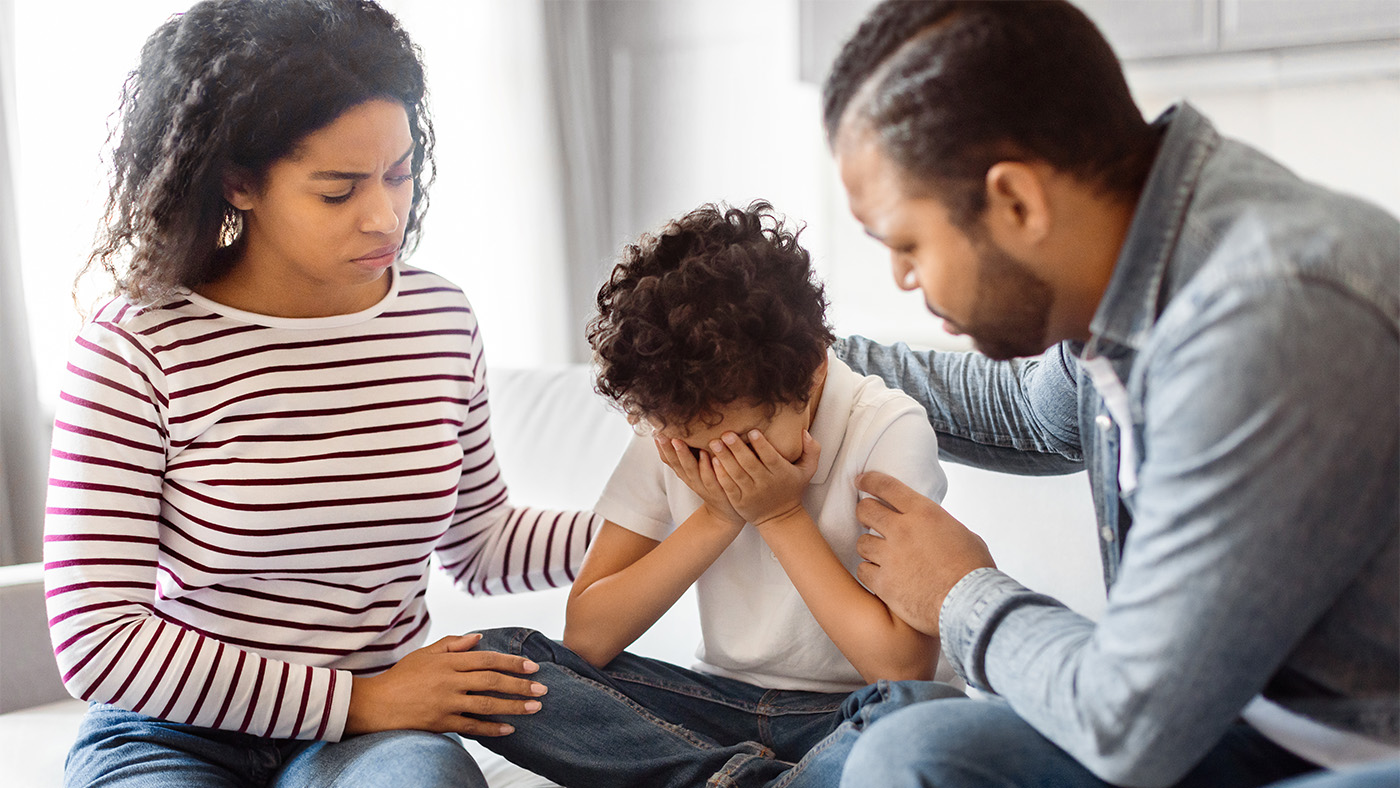
If you’ve ever watched your child withdraw, lash out, or shut down and thought “something feels off,” you’re not imagining it. Parents are often the first to notice when a child is struggling emotionally, often long before a diagnosis is made or a professional is involved. That instinct matters.
The parents who come to me concerned about their child’s mood or behavior are almost always right to be. In my experience, that parental instinct is one of the most valuable tools we have.
Childhood is full of change, and emotional ups and downs are a normal part of growing up. But there’s a difference between a hard week and ongoing emotional distress that affects how your child learns, connects, and feels about themselves. This article walks you through eight signs your child may be struggling emotionally, what to look for at different ages, and how you can help.
What Do Emotional Struggles Look Like in Children?
Emotional struggles can show up differently depending on the child and their age. Common signs include:
- Persistent sadness or hopelessness
- Loss of interest in activities they used to enjoy
- Changes in sleep, appetite, or energy levels
- Difficulty concentrating
- Withdrawal from friends or family
- Physical complaints like stomachaches or headaches without a clear medical cause
In some children, emotional distress may also show up as anxiety: intense worry tied to a specific situation (like being separated from a parent) or generalized across many areas of daily life.
Common Emotional Warning Signs in Children
Certain experiences can signal that a child is under more emotional strain than usual. Big life changes, school stress, friendship difficulties, and family transitions can all take a toll. Here are eight signs to watch for.
1. Changes in Mood or Behavior
When children feel overwhelmed, emotions can spill into behavior. You may notice mood swings, sudden defiance, or unusual tearfulness. Some kids act out; others go quiet. Both can be signs that something needs attention.
2. Changes in Sleep
Sleep and emotional health are closely linked. Emotional distress can make it harder to fall asleep, stay asleep, or feel rested. The two can reinforce each other: poor sleep worsens emotional regulation, and emotional distress disrupts sleep.
3. Changes in Appetite
Stress affects the body as well as the mind. Some children eat more when they’re struggling; others lose their appetite. A noticeable shift in eating habits without a clear physical cause is worth paying attention to.
4. Physical Complaints Without a Clear Cause
Children often express emotional pain through the body before they can put it into words. When a child says their stomach hurts every single school morning, that’s rarely just about the stomach.
Headaches, stomachaches, and general soreness can all be physical expressions of emotional distress. If your child has recurring complaints and a medical cause has been ruled out, it may be worth exploring what’s happening emotionally.
5. Social or Emotional Withdrawal
A child who pulls back from friends, family, or activities they once loved may be struggling. Some kids withdraw because they feel overwhelmed; others pull back out of fear of rejection or failure. If your child has been more isolated than usual, gently check in.
6. Persistent Sadness Lasting More Than Two Weeks
It’s normal for kids to feel sad from time to time. But when low mood lingers for more than two weeks and begins to affect school, friendships, or daily life, it may point to something deeper. Look for signs of low self-esteem or hopelessness alongside the sadness.
7. Self-Harm or Talk About Self-Harm
Take any mention of self-harm seriously, even if it seems offhand. Behaviors like cutting or scratching are often signs that a child is struggling to cope with emotions they don’t yet have the tools to manage. Stay calm, listen without judgment, and reach out to a mental health professional.
8. Talking About Death or Suicide
If your child talks about wanting to die, feeling like a burden, or expresses thoughts of suicide, treat it as urgent. These statements are not attention-seeking; they’re signals of real emotional pain. Open the conversation, reassure your child they are not alone, and contact a pediatrician or mental health professional right away.
Signs of Emotional Struggles by Age
Children can experience the same emotional challenges as adults, but those challenges may look different depending on how old they are.
Ages 0 to 3
- Clinging to caregivers
- Regression in behavior (such as bedwetting)
- Changes in sleep or eating
- Increased crying, irritability, or hyperactivity
Ages 4 to 6
- Stopping play or refusing to engage
- Signs of intense worry or fear
- Taking on adult-like behaviors
- Withdrawing from talking
Ages 7 to 12
- Withdrawal from friends or family
- Changes in sleep or appetite
- Difficulty concentrating or remembering
- Increased fear, guilt, or irritability
Ages 13 to 17
- Intense grief or feelings of shame
- Increased risk-taking behavior
- Self-harm or self-destructive behaviors
- Feelings of hopelessness, numbness, or detachment
Additional Risk Factors
Certain life experiences can increase a child’s risk of emotional distress. These include exposure to violence, abuse, or neglect; the death or suicide of a loved one; or growing up in a home affected by substance use, mental health challenges, or significant instability. Three out of four high school students report at least one adverse childhood experience. If your child has faced any of these challenges, staying attuned to their emotional state is especially important. Not because distress is inevitable, but because early attention makes a real difference.
How to Support Your Child
One of the most powerful things a parent can do is stay present and curious, not with the goal of fixing everything, but with the simple message: I see you, and I’m here. That alone can change a child’s experience of struggling.
Talk With Your Child, Not at Them
Create space for open conversation without pressure. Simple check-ins like “What’s been on your mind lately?” or “How are you really feeling?” go further than you might expect. If they don’t open up right away, that’s okay. Showing up consistently builds trust over time.
Establish Predictable Routines
Consistent schedules around sleep, meals, and downtime give children a sense of safety and reduce anxiety. Routines don’t have to be rigid. Predictability is the point.
Focus on One Thing at a Time
When a child is struggling, it can be tempting to address every concern at once. Resist that impulse. Choosing one behavior or habit to work on together feels manageable rather than overwhelming.
Spend Time Together
Simple, low-stakes moments like a walk, a shared meal, or a favorite show help children feel seen and valued. You can also practice calming skills side by side. Two approaches that work well for kids under stress:
- Belly breathing: Inhale through the nose for five seconds, exhale through the mouth for five seconds. Repeat five times.
- Box breathing: Exhale for four seconds, inhale for four seconds, hold for four seconds, exhale for four seconds.
When to Seek Professional Support
If your child’s emotional struggles are interfering with their life at school, home, or with friends, it’s time to reach out. Contact your pediatrician if your child:
- Has been persistently sad, anxious, or withdrawn for two or more weeks
- Seems severely withdrawn or stops responding normally
- Experiences extreme or constant worry
- Has recurring physical complaints with no medical explanation
- Is engaging in self-harm or talking about self-harm or death
For the last two signs, don’t wait for a scheduled appointment. Reach out right away.
Getting Support at Wee Care
Wee Care Pediatrics has an in-house team of mental health counselors who work directly alongside our pediatric providers. You don’t need a third-party referral or a separate office. Mental health support is just one more way we care for your child.
Families don’t have to figure this out alone. That’s exactly why we’re here.
Your child’s emotional health matters as much as their physical health. If something feels off, trust that instinct and give us a call.
Sources
CDC, About Adverse Childhood Experiences
Mayo Clinic, Mental illness in children
CDC, About Anxiety and Depression in Children
UNICEF, How to recognize signs of distress
Cleveland Clinic, Emotional Dysregulation